Poseidon Xstream Regs
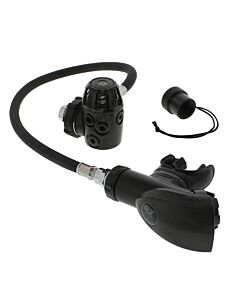
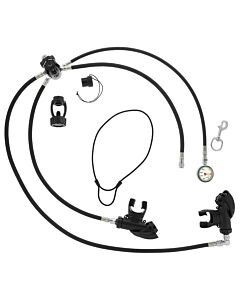
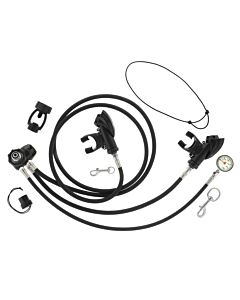
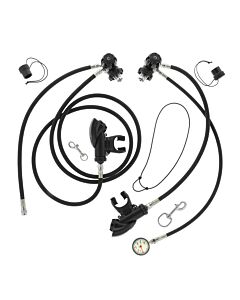
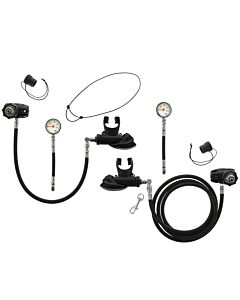
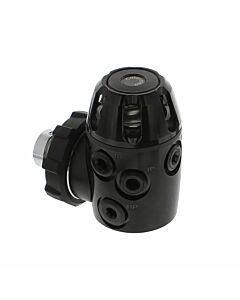
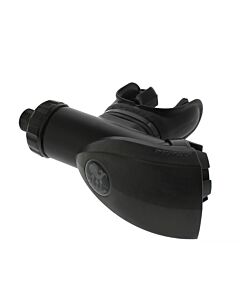
Perfectly configured by Dive Gear Express, there is a regulator setup that meets the needs of every Poseidon® extreme diver! The DGX Custom versions are fully assembled and integrated by Dive Gear Express using Poseidon first and second stage regulators together with our premium quality hoses, gauges, adapters, stainless steel hardware and other accessories.

Warning
Poseidon does not endorse the installation or substitution of any non-factory part or component with their products because they do not have the ability to control or evaluate the quality and compatibility of such items. The installation of non-factory parts such as regulator hoses or other components may or may not have negative effects upon performance, function and safety. Poseidon disclaims liability for defect, damage or injury caused by the use of any non-factory parts or accessories.
Product Spotlight


Poseidon Regulators FAQ
7
- Why is my Xstream first stage whistling?
- Can I use a Cyklon, Jetstream or Xstream Deep regulator with Nitrox?
- What is the intermediate pressure (IP) on Poseidon regulators?
- Can I mix different Poseidon first and second stages?
- Can I use standard hoses on Poseidon Jetstream and Xtreme regulators?
- Can I use standard hoses on Poseidon Cyklon regulators?
- What is the difference between the Poseidon Black and Obsidian regulator components?
Oxygen & Nitrox FAQ
13
- Can I use it with oxygen?
- What does 'Nitrox Ready' mean?
- What does "40% MAX OXYGEN" mean?
- What does "greater than 23.5% oxygen" mean?
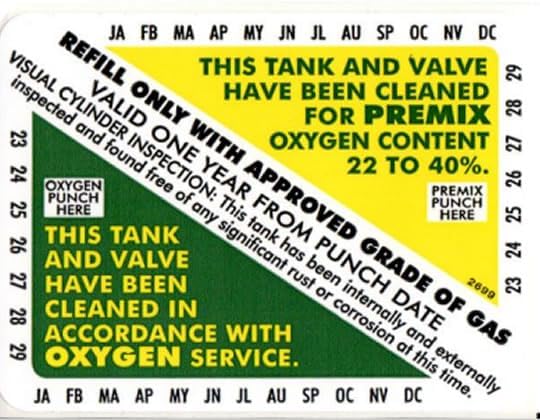
- What does "cleaned for PREMIX" mean?
- Can Nitrox Ready equipment from Dive Gear Express be "cleaned" for use with 100% oxygen?
- Are your O-rings made of viton?
- How can I inspect O-rings to be sure they are oxygen compatible?
- Is it safe to use rubber O-rings with Nitrox?
- Is it safe to use silicone grease with Nitrox?
- What is the maximum fill pressure for Oxygen and Nitrox?
- How should expended galvanic oxygen sensors be disposed?
- How do the Haskel MSB-9000 and the DGX Gears X-30 oxygen boosters differ?