Computers
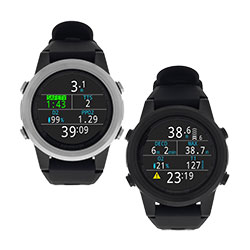
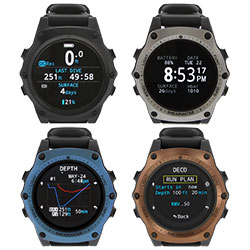
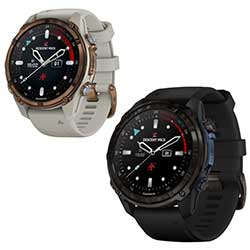
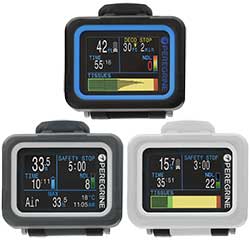
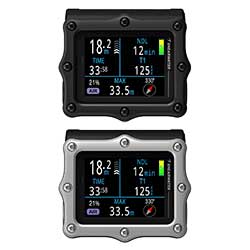
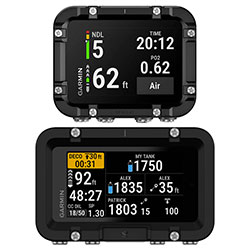
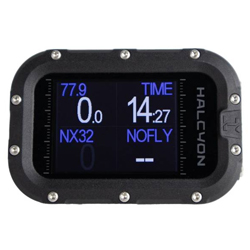
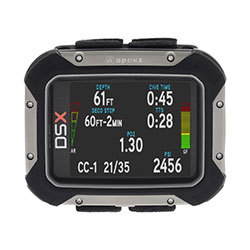
We are one of the largest global retailers of technical dive computers.
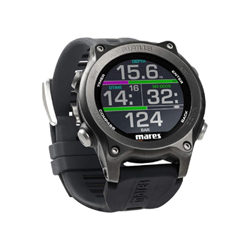
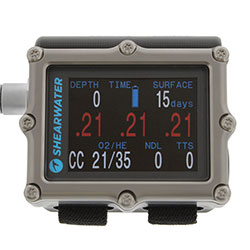
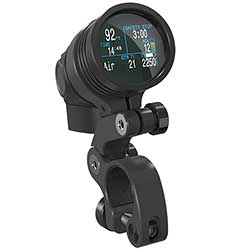
A unified and robust solution for dive logging software
At Dive Gear Express we've talked to many divers who use a variety of different computers/downloaders and even use tables/timers for some types of dives, leaving them without a consistent unified electronic record of their diving. The various logging software provided by manufacturers is often limited to a specific operating system, hardware or language. The big name full line SCUBA manufacturers that do not specialize in dive computers typically provide desktop dive logging software applications as an afterthought containing annoying gaps in features along with significant bugs, yet are very infrequently updated. Frankly, it is a mess but there is a unified and robust logging software solution: Subsurface is an open source divelog program for sport, technical, and apnea divers that runs on Windows, Mac and Linux for the desktop plus there are mobile versions for Android and iOS.
When a forced lull in kernel development gave him a chance to start a new project, Linux operating system creator Linus Torvalds decided to tackle his frustration with divelog software. Torvalds worked with a team of developers, and the Subsurface open source software application is the result. Frequently updated and enhanced, it allows data import from most popular dive computers and divelog programs plus spreadsheets. It provides a quick and easy way to see the key information provided by a modern dive computer and lets users track a wide variety of data about their dives. Subsurface also provides both Bühlmann and VPM based dive planners plus extensive documentation.
Subsurface supports all the dive computer brands sold by Dive Gear Express. If you have been hesitant to upgrade from an aging sport diving brand dive computer because you have relied on their logging software and don't want to fragment your logging history, we suggest taking a look at the very long list of Subsurface Supported Dive Computers.

Product Spotlight